
Related articles
Four cities leading the way in climate resilience and urban health
Despite heatwaves, flooding and pollution, some cities are managing to protect climate, health and economy all at once. The World Economic Forum cites the examples of London, Philadelphia, Ahmedabad and Medellín, which are showing how targeted policies can deliver significant benefits and inspire decision-makers the world over.
10/15/2026
Four cities leading the way in climate resilience and urban health
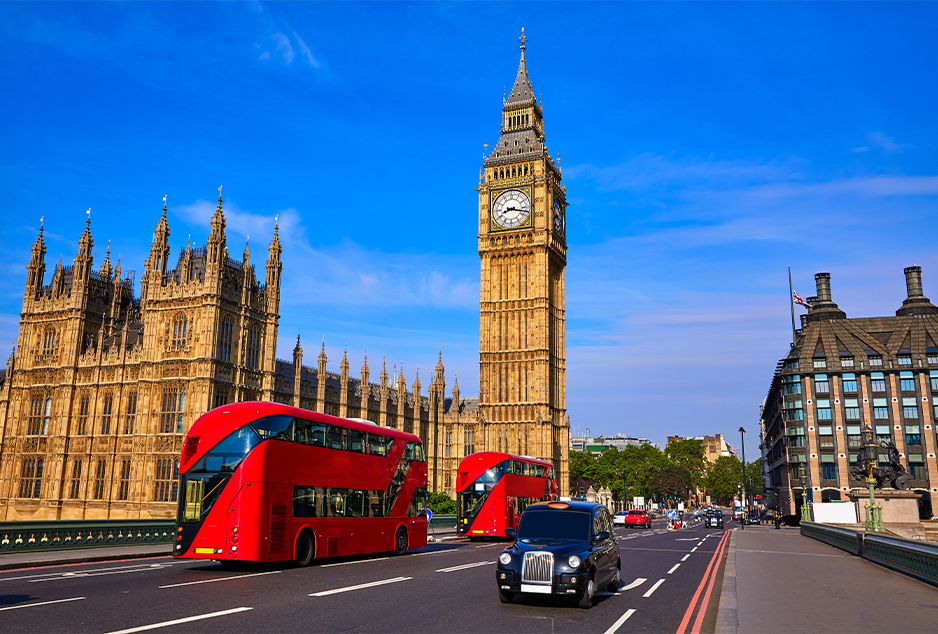
London: when air quality becomes a serious public health issue
London’s Ultra Low Emission Zone places restrictions on the most polluting vehicles. The result has been a 9% reduction in emergency cardiovascular hospital admissions, 10.2% less respiratory disease, and an 18.5% decrease in sick leave. As well as improving air quality, these measures enhance the city’s resilience to heat episodes and generate £37 million in savings every year.
Four cities leading the way in climate resilience and urban health
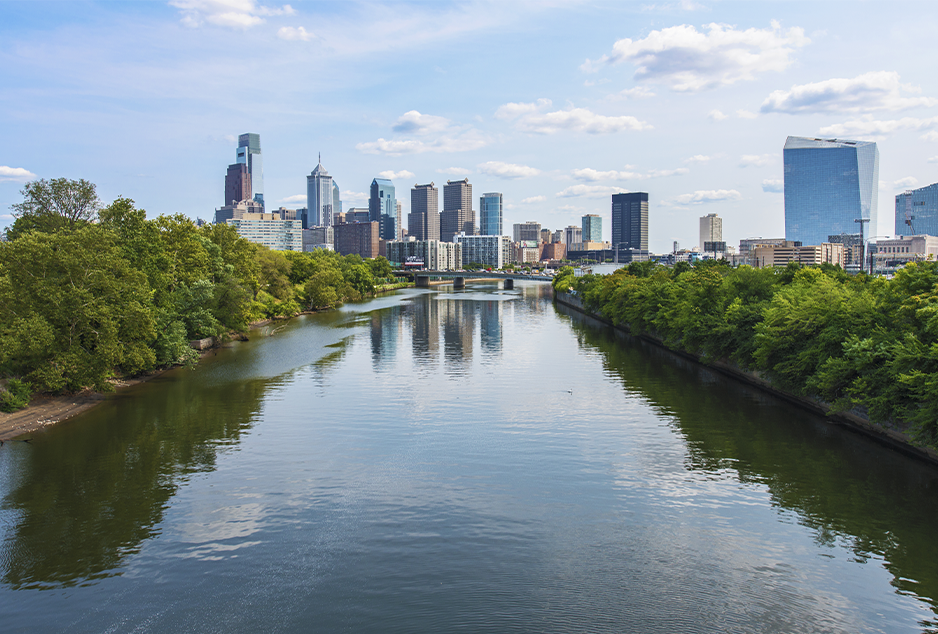
Philadelphia: transforming flooding into opportunity
Under its Clean City, Clean Waters programme, Philadelphia, USA, is using rain gardens, vegetation ditches and permeable paving to manage rainwater more effectively. These improvements have reduced the risks of flooding, cooled some neighbourhoods by up to 5 °C, improved water and air quality, and increased the value of nearby property by 10%.

Four cities leading the way in climate resilience and urban health
Ahmedabad: simple solutions to extreme heat
Since 2013, Ahmedabad, India, has been following a heat action plan based on a range of inexpensive measures: reflective roofing, shaded areas, water points, and SMS alerts. In just three years, mortality due to extreme heat fell by almost 25%. The city has shown that investing in preventive measures can protect residents while improving productivity and economic resilience in the long term.
Four cities leading the way in climate resilience and urban health
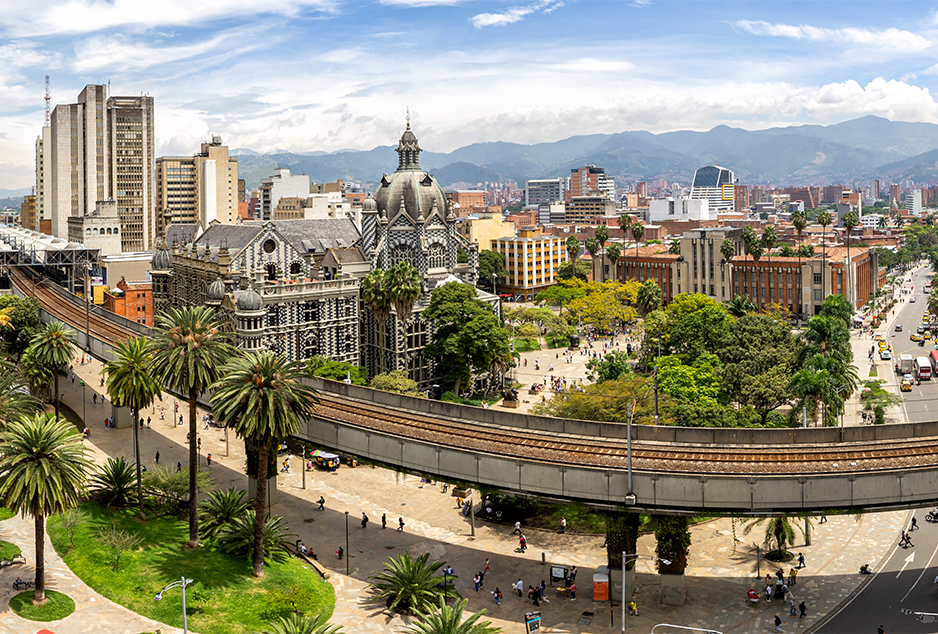
Medellín: nature as health infrastructure
Through its Green Corridors programme, Medellín, Colombia, has created a vast network of green spaces linking road verges and watercourses. Thanks to the millions of plants introduced, the average temperature has fallen by 2 °C, fine particulates by 8%, and acute respiratory infections by 40% in three years. This is a practical example of nature as a lever for public health and climate resilience.



Contact us