In Germany and Spain, VINCI Energies and its specialist brands are managing decommissioning projects that are redefining end of life for nuclear installations, with the same stringent care as in their construction – a new frontier for nuclear, and for the energy transition.
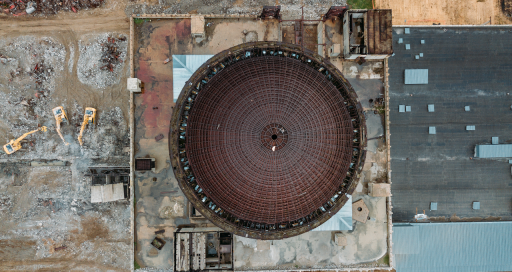
When we talk about nuclear power, we most often talk about construction or maintenance. Less often do we discuss decommissioning. Yet in this strategic sector, decommissioning or dismantling presents numerous technical, regulatory, and environmental challenges. A nuclear decommissioning project is not a conventional demolition project; it is carried out over several rigorously planned phases that can span several decades.
Gradual transformation
In Germany, where the energy transition has led to the closure of 17 nuclear plants but also research installations, VINCI Energies is working on numerous sites, including Grafenrheinfeld, a former light-water nuclear power plant in Bavaria in Germany.
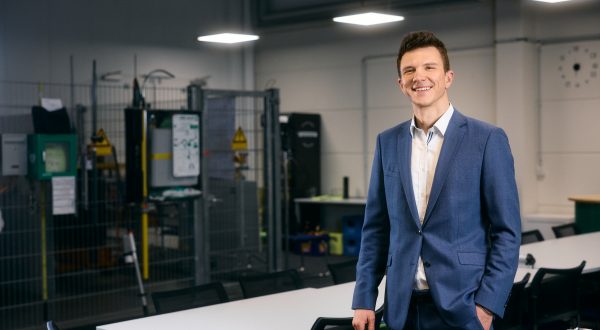
“Dismantling a nuclear power plant is not just about smashing everything – first you have to transform the former facility into a deconstruction factory,” explains Stefan Aschenneller, Manager of Division Nuclear in Germany with two business units Omexom Kraftwerk Service and Nickel Kraftwerk Service.
This transformation requires the installation of new auxiliary systems to ensure perfectly safe operation across the whole site during the works period. This includes the creation of new electrical networks, command-and-control systems, high-efficiency filtration (HVAC), and the installation of safety systems such as fire alarms and radiation detectors to be able to dismantle the original systems.
Exceptional constraints
Nuclear decommissioning is also notable for the complexity of the environment in which the teams are working. “Working in a persistently radioactive environment is one of the biggest challenges on this type of project,” says Stefan Aschenneller. “We also have to comply with extremely stringent regulations and hugely demanding safety standards.”
Everything is minutely documented, tracked and checked. Areas to be treated are identified and marked out while authorisation to dismantle them is obtained. The smallest component or length of cable may potentially be contaminated.
“Decommissioning a nuclear power plant is not just about smashing everything – first you have to transform the former facility into a deconstruction factory”
The objectives are clear: to extract all contaminated materials, clean it and therefore minimise the production of radioactive waste and ensure a completely safe decommissioning process. For example, this may involve replacing the original electrical power supply with a site-specific network, or installing mobile filtration systems to protect work areas.
Cross-business expertise
To meet these challenges, VINCI Energies mobilises its entire ecosystem. Its energy infrastructure brand (Omexom) takes responsibility for any electrical installations. Its industry brand (Actemium) manages automation and control systems. G+H handles insulation, while IEK deals with technical protection. This synergy between different areas of expertise makes it possible to adapt to the deconstruction requirements of each site.
In NPP Isar, in the south of Germany, for example, the budget allocated to replacing ventilation systems amounts to €6 million, and the fire safety and radiation detection systems represent a further investment of approximately €0.6 million. All these systems are essential to ensure employee safety and minimise the environmental impact of the works. “Constantly considering the environmental impact of our work is an integral part of our mission,” says Stefan Aschenneller.
In short, nuclear decommissioning is no simple industrial end-of-life procedure. It is a new phase, equally as demanding as the initial construction, requiring high-level skills in various areas of expertise: electrical engineering, automation, ventilation, safety, waste management, and regulations.
Grafenrheinfeld in Germany aptly illustrates the scale of such projects and the importance of the expertise VINCI Energies brings to ensuring their successful completion.
An emerging market in Spain
While the German market is mature, in Spain, nuclear decommissioning is in its infancy. “Our experience in decommissioning nuclear power plants is limited: there has been one small-scale decommissioning project, and a second is just about to start,” explains Fernando Martin, General Manager at Actemium Spain. This makes nuclear decommissioning a collective learning experience, where technical rigour and coordination between public and private stakeholders are essential.
In this extremely specialised market, Actemium Spain is drawing on VINCI Energies’ expertise in the nuclear sector. “We have huge experience in the Spanish nuclear sector, including in preventive and corrective maintenance of critical systems,” says Fernando Martin. Teams are working on instrumentation, command-and-control and monitoring systems, and contributing to technological and safety improvement projects.
This experience provides a solid foundation for the decommissioning operations, which require perfect understanding of the installations and how they have evolved.
Transition ahead
Since the 1980s, VINCI Energies has been operating at the major Spanish nuclear power plants Trillo, Almarax and Cofrentes. “Our activity is mainly concentrated in two key areas: maintenance of instrumentation systems to ensure operational reliability in critical equipment; and implementing design changes to allow continuous improvement in the installations,” says Fernando Martin.
With several nuclear plants in Spain approaching their end of life, the country is entering a crucial phase. These decommissioning projects come both with challenges and with opportunities to develop new industrial expertise. Building on its network and experience, VINCI Energies, through Actemium Spain, is positioned as a key player in this transition.
“Our adaptability to the sector’s challenges and our long-term commitment to our customers are the best guarantee of success for future nuclear decommissioning projects in Spain,” concludes Fernando Martin.
In Germany, and soon in Spain, nuclear decommissioning is no simple industrial end-of-life procedure. It is a new phase, equally as demanding as the initial construction, and requires high-level skills in various areas of expertise: electrical engineering, automation, ventilation, safety, waste management, and regulations.
A stimulating sector for engineers
Despite the numerous constraints, nuclear decommissioning projects offer stimulating prospects for the engineers and technicians involved. “In terms of human resources, this type of project can be rather attractive,” explains Stefan Aschenneller, Manager of Division Nuclear at Omexom Germany, “particularly for young people, who quickly realise that our missions, which present numerous daily challenges to be overcome, are far from boring.”
03/16/2026