A former port warehouse built in Rotterdam in 1923 has become a museum. Its transformation into Fenix, an institution dedicated to the history of migration, posed a considerable challenge: to combine respect for a city’s industrial heritage with sustainable technical performance.
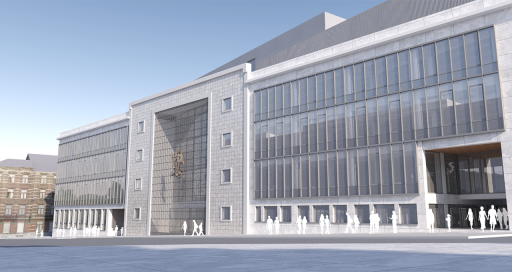
In May 2025, the city of Rotterdam in the Netherlands inaugurated Fenix, a 16,000 sq. metre museum dedicated to exploring the history of migration through art, architecture and immersive experiences. The museum was installed in a former port warehouse dating from 1923, which underwent an ambitious transformation led by experts from Bosman Technische Installaties, a VINCI Energies Building Solutions business unit.
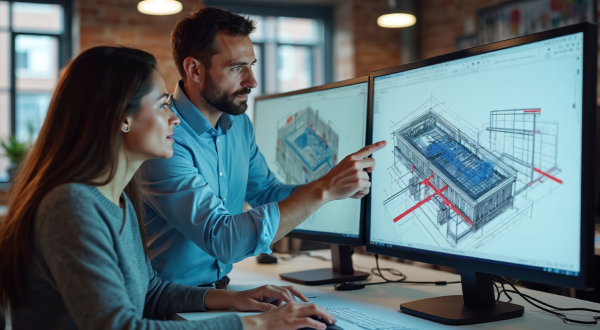
Bosman was responsible for all technical installations, which included “a custom HVAC system, underfloor heating, and a thermal energy storage system for sustainable management of heating and cooling,” says Evert Adams, Project Manager at Bosman Bedrijven, who oversaw the project from October 2019 to late 2025, adding that “the design team for the technical installations immediately set to work after the contract was secured in December 2018”. Fenix was officially opened in May 2025, with final installation works completed in the second half of the year.
“The Fenix project highlighted the power of collaboration when teams share the same ambition”
Preserving the building’s historical character
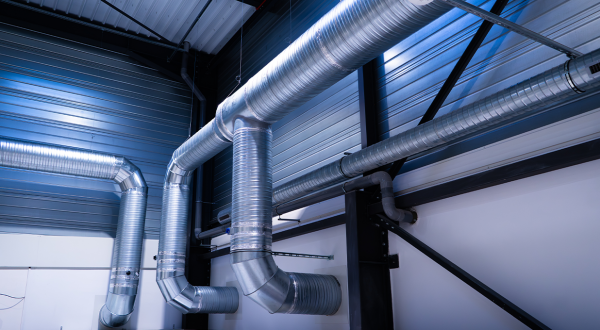
Aside from technical performance, explains Evert Adams, one principle guided every decision the team made: “to preserve the historical character of the former port warehouse, which required considerable creativity, flawless technical precision and close collaboration”. Visible installations (pipes, air vents, cable trays, floor ducts) were therefore designed to match the building’s industrial aesthetic.
But this approach did not prevent adherence to the most stringent contemporary standards. The building “fully meets modern comfort and climate control requirements”. Thermal energy storage plays a key role in the project. “Our testing made it possible to considerably reduce energy consumption and CO2 emissions to provide the museum with sustainable heating and climate control.” The sustainable climate solution created meets the ambitious goals Fenix had set in terms of sustainable development.
A collaborative project
Another factor in the success of this project was close collaboration with other stakeholders: the Droom en Daad foundation and the promoter Dura Vermeer Bouw Heyma. “Over five years, we built a solid project relationship based on direct communication, mutual trust and a shared vision of respecting and showcasing the historical character of the warehouse,” says the project manager.
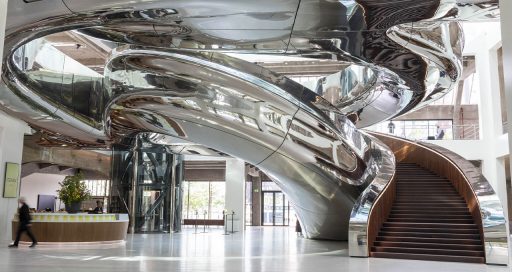
Working in small multidisciplinary teams allowed “rapid coordination of elements of the design and implementation”. MAD Architects, the designers of the spectacular Tornado spiral staircase, were also key to this collaboration.
One conviction Evert Adams takes away from this exemplary conversion is this: “the Fenix project highlighted the power of collaboration when teams share the same ambition. Even when you believe you’ve pushed the limits, you can always go further.”
11/16/2026